How Dill is turning food labeling into connected, traceable infrastructure — on both sides of the Atlantic.
Most food operators run labeling as a handful of disconnected jobs. Stock rotation in one place, Food to Go in another, edge-shelf tickets somewhere else, design in a tool that wasn't built for food, and print ordered from yet another supplier. Each works alone. None of them talk. So the same ingredient data gets re-entered by hand again and again — and every re-entry is a chance to get an allergen, a date or a price wrong.
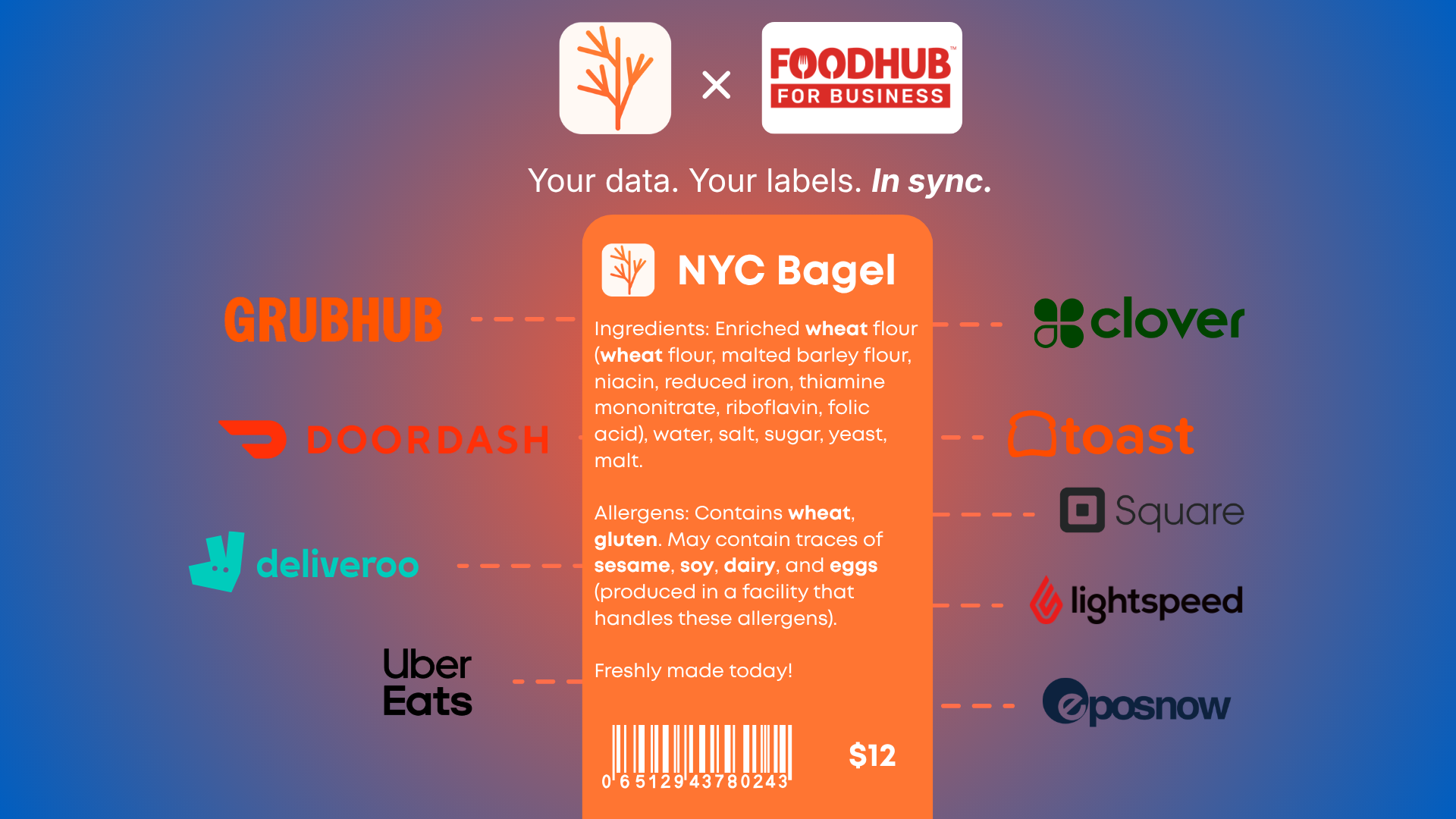
Dill treats the label as what it actually is: the visible output of everything upstream. Get the system underneath right and the label takes care of itself. That means connecting the tools operators already run — ERP and production systems like Cybake, ingredient and nutrition databases like Erudus, and POS platforms like Clover, Lightspeed and EposNow — so data is entered once, flows through automatically, and every label is tracked and logged for traceability. Less manual input, one connected system for every labeling workflow — running on Brother industrial hardware.
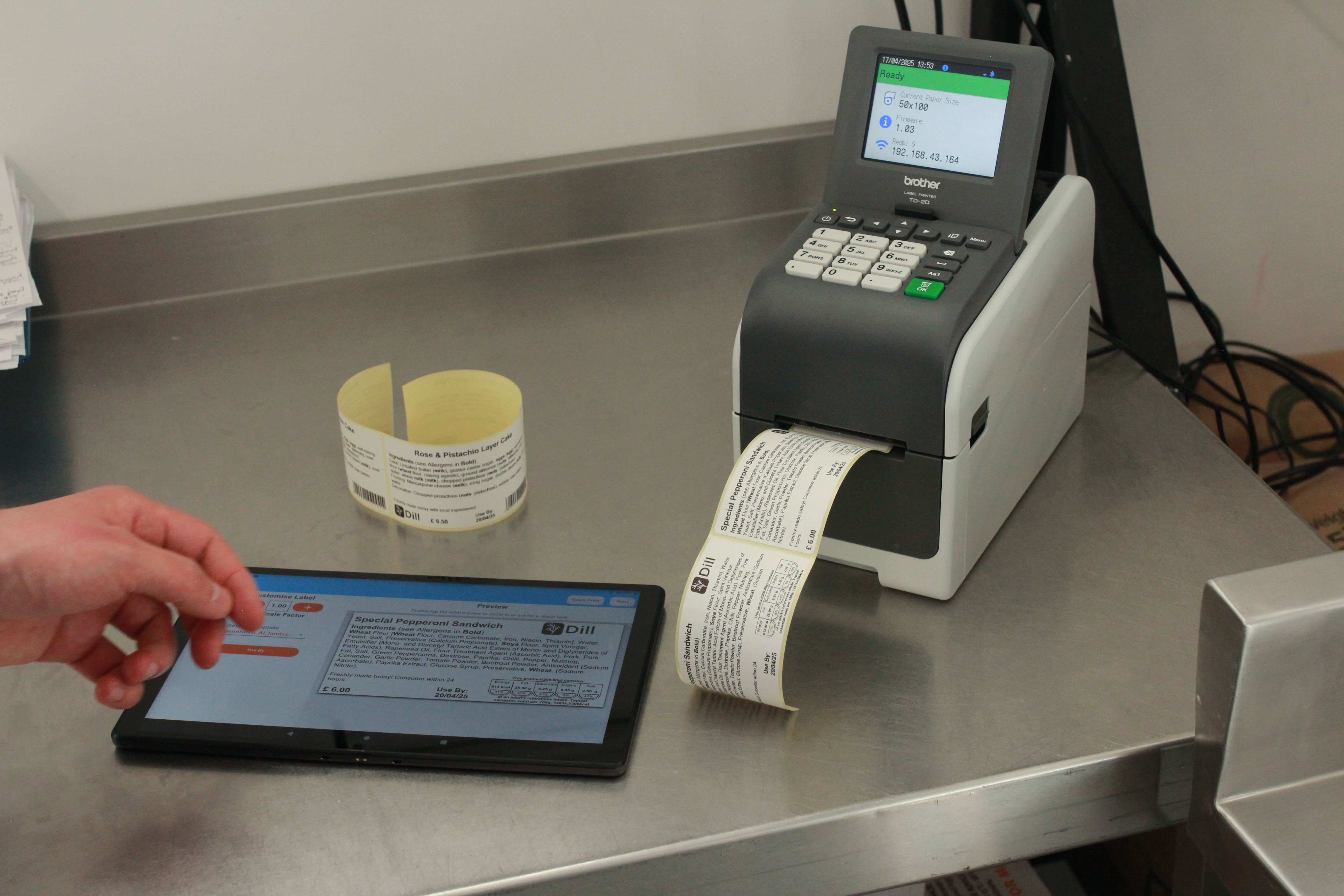
Labels run off one source of truth and print on Brother TD-series hardware — the same system from a single site to a hundred.
The results show up fast. At atis, moving labeling onto one connected system cut manual labeling time by 60% and reduced food waste through tighter stock rotation.
At patisserie group L'éclair, the same approach cut labeling errors by 80% and sped up production fivefold.
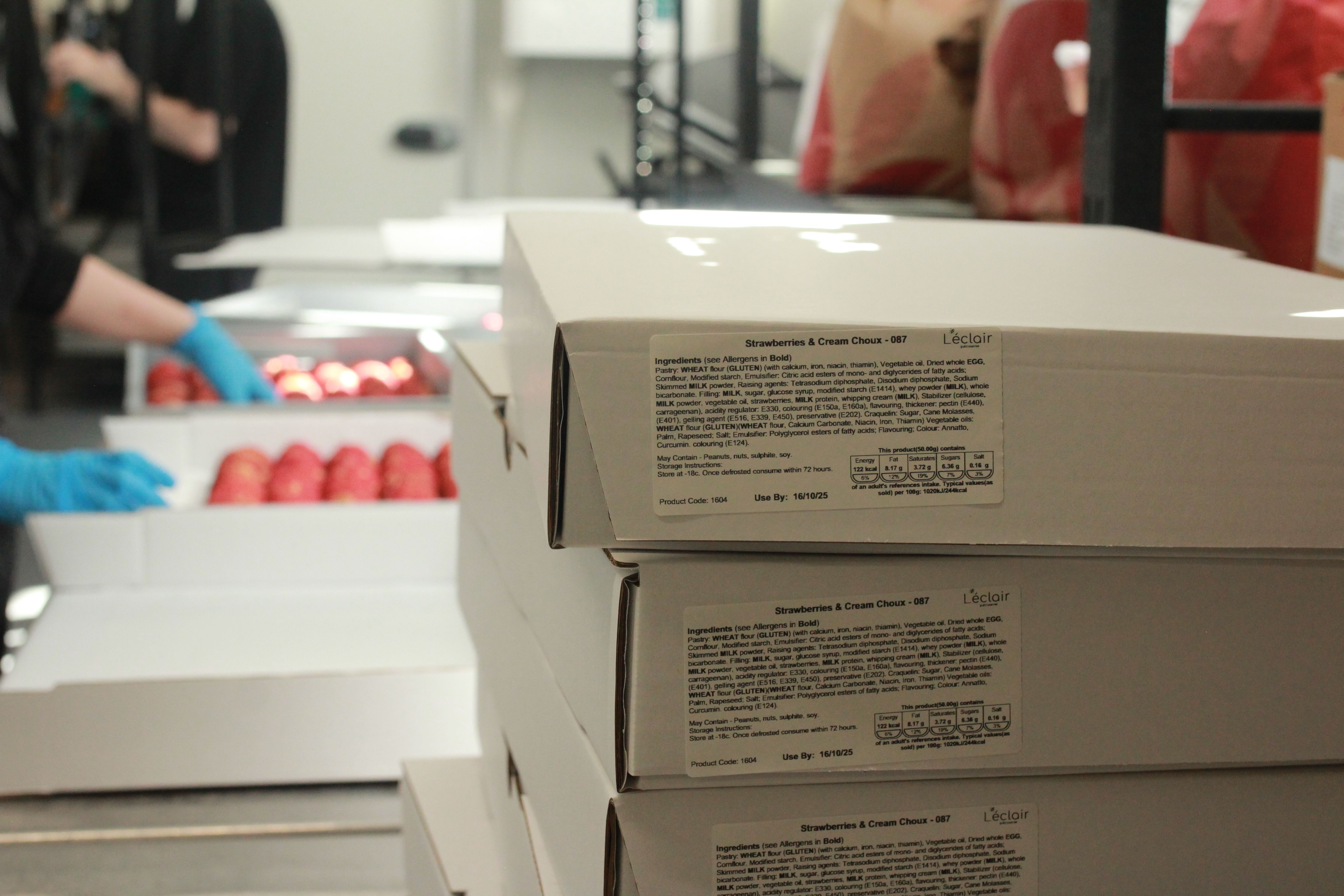
Compliant ingredient and allergen labels on L'éclair's pre-packed boxes — part of a fivefold jump in production after moving to one system.
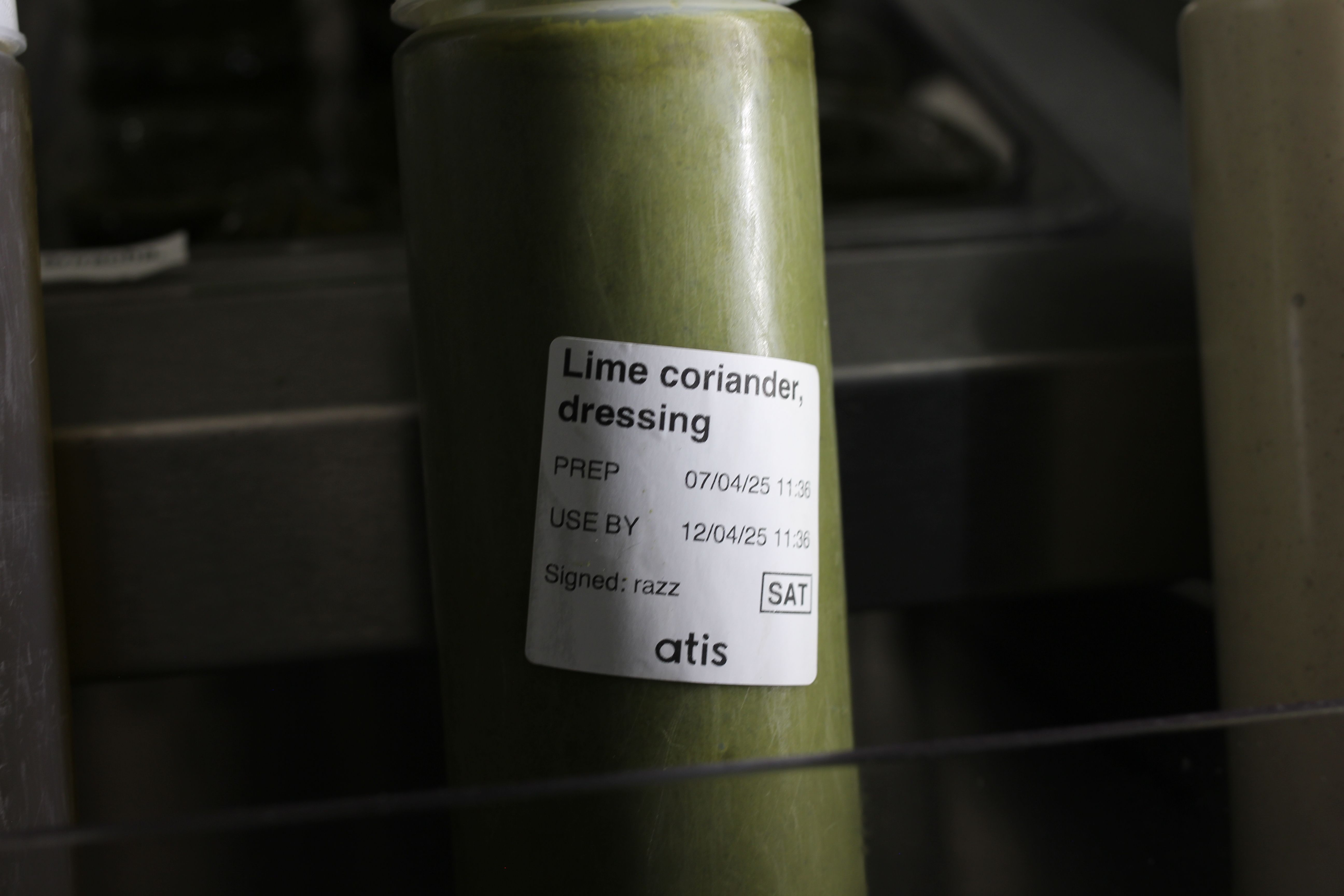
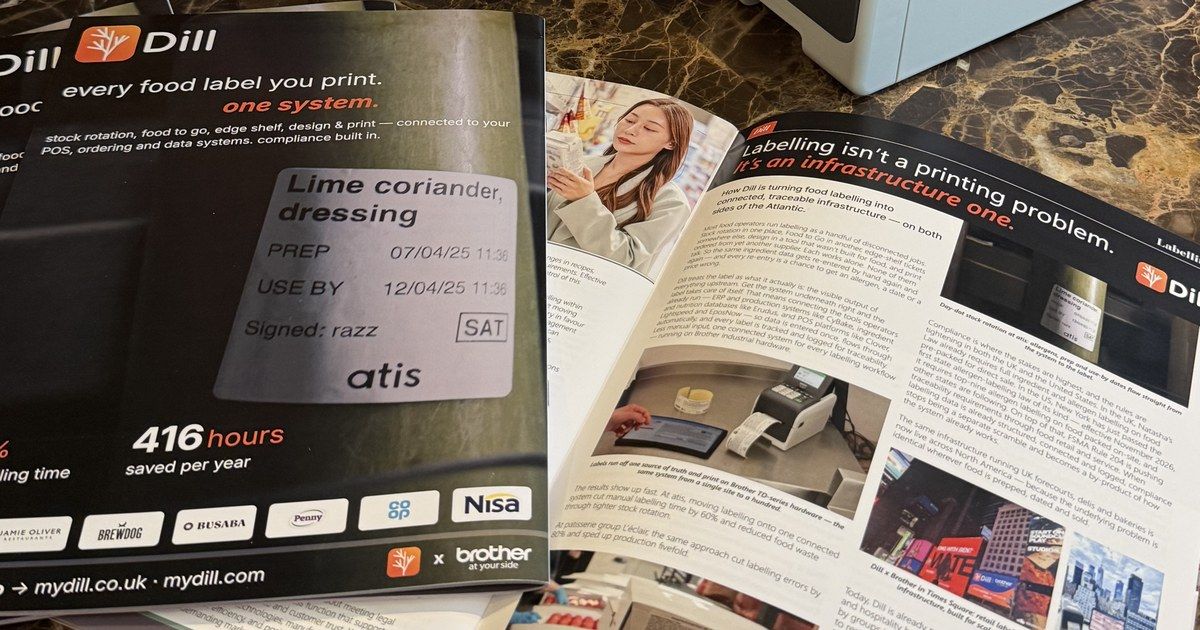
Day-dot stock rotation at atis: allergens, prep and use-by dates flow straight from the system to the label.
Compliance is where the stakes are highest, and the rules are tightening in both the UK and the United States. In the UK, Natasha's Law already requires full ingredient and allergen labeling on food pre-packed for direct sale. In the US, New York has just passed the first state allergen-labeling law of its kind — effective November 2026, it requires top-nine allergen labeling on food packed on-site, and other states are following. On top of that, FSMA Rule 204 is pushing traceability requirements through food retail and service. When labeling data is already structured, connected and logged, compliance stops being a separate scramble and becomes a by-product of how the system already works.
The same infrastructure running UK forecourts, delis and bakeries is now live across North America — because the underlying problem is identical wherever food is prepped, dated and sold.
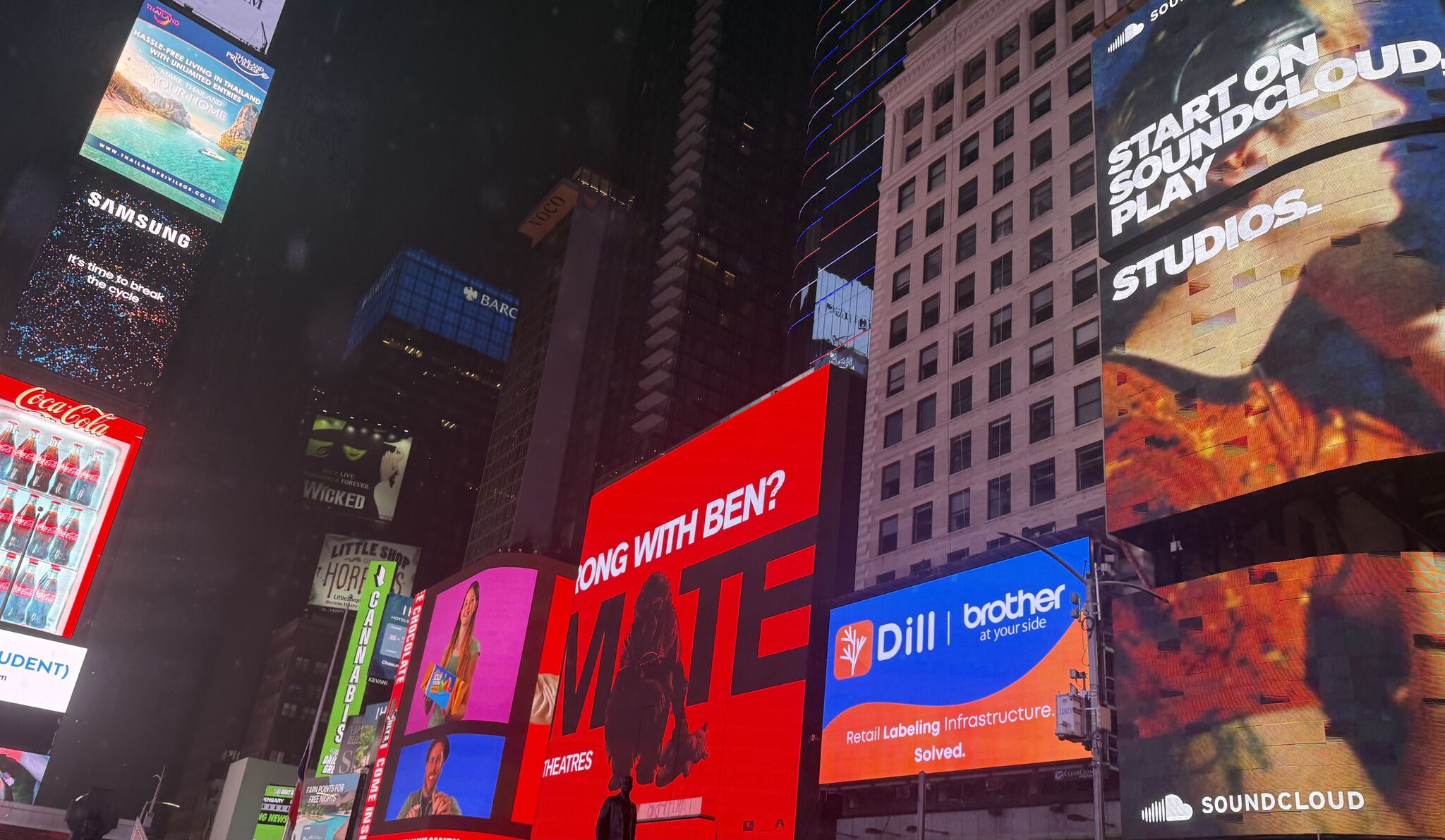
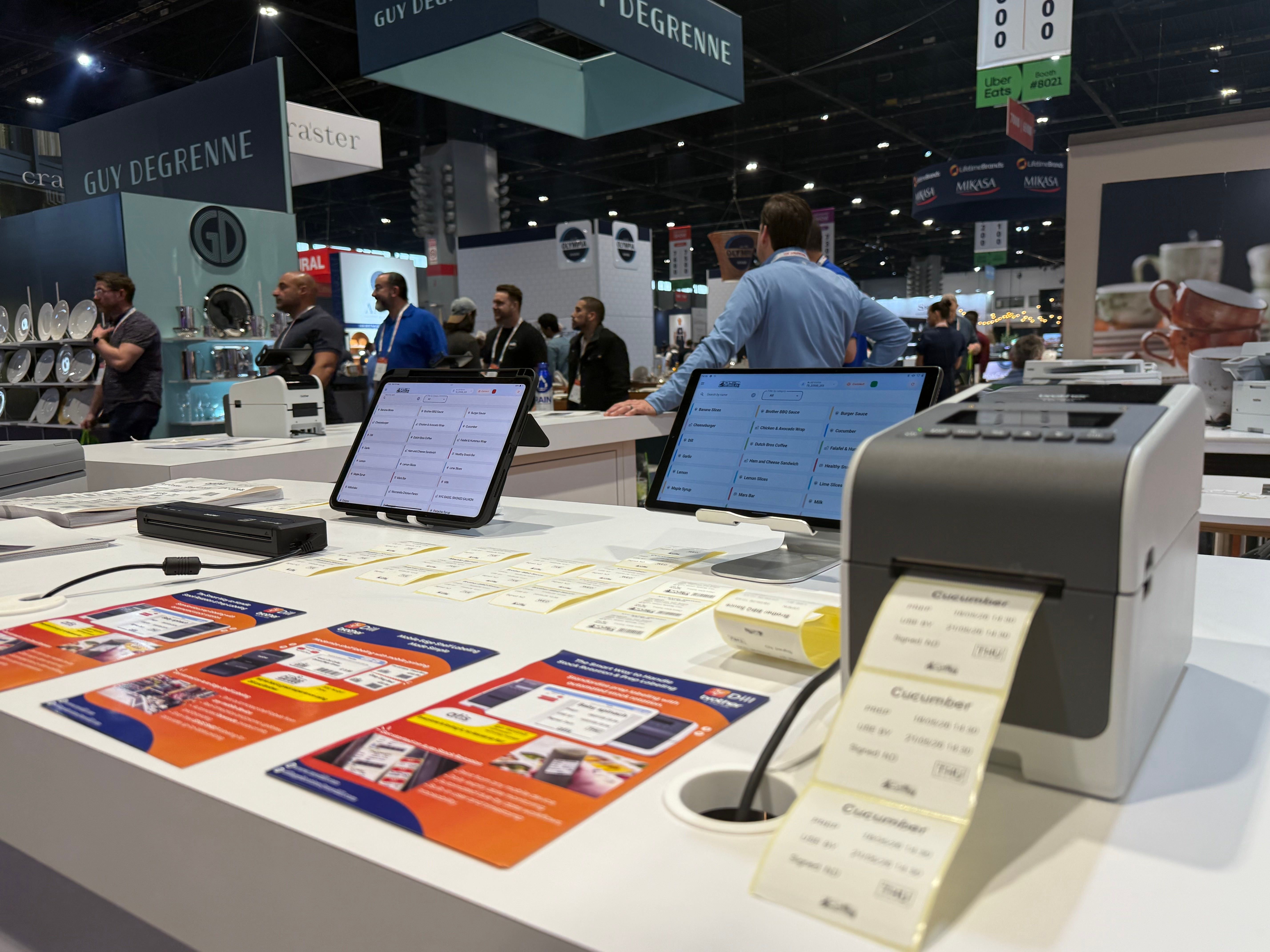
Dill x Brother in Times Square: retail labeling infrastructure, built for scale.
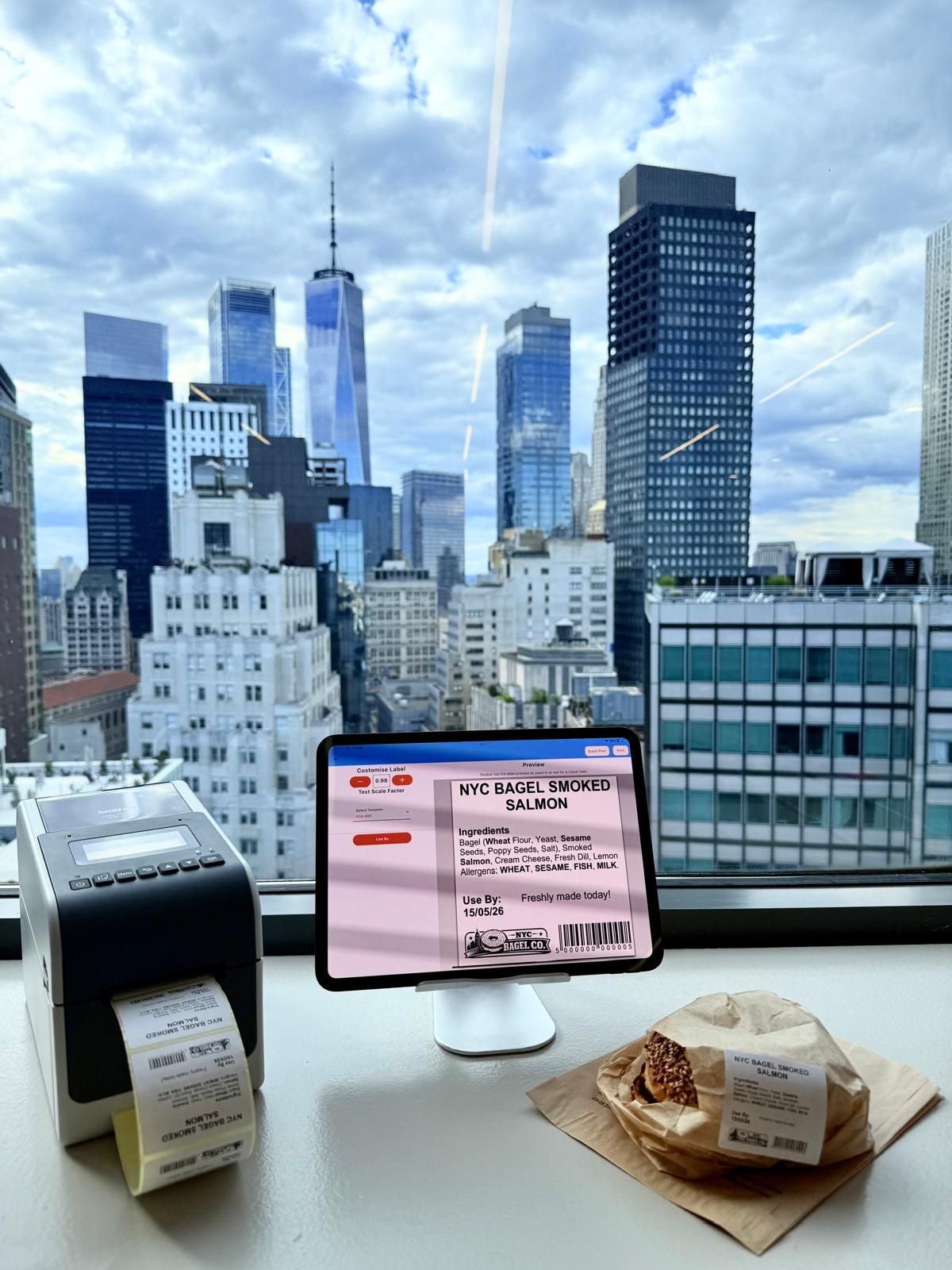
Live in New York: the same one-system workflow, ahead of the state's 2026 allergen law.
Today, Dill is already running across service stations, fresh-food groups and hospitality brands — from Shell, BP, Texaco, Esso and Jet operated by groups including Penny Petroleum, Highland Group and Tankerford, to restaurant brands including atis, BrewDog, Busaba and Brava Hospitality in partnership with Jamie Oliver Restaurants.
Unlike legacy desktop-driven labeling systems, Dill runs mobile-first and cloud-managed across every site.
The operators who'll find the next few years easiest are the ones who stop treating labeling as a stack of separate jobs — and start running it as one connected system that scales without changing shape.
About Dill
Dill is food labeling infrastructure for modern food operators — one connected system for stock rotation, Food to Go, edge shelf, design and print. Hardware by Brother. See Dill live at RetailNOW, Caesars Forum, Las Vegas, July 26–28, and at the Hospitality Tech Expo, ExCeL London, September 29–30, stand HT416.
- North America: mydill.com · UK: mydill.co.uk
- The atis story (Brother UK): brother.co.uk → atis case study
- Watch how it works: How atis scales smart labeling across London — YouTube: @dillfoodlabelling
- LinkedIn: linkedin.com/company/dillapp